
There are two well-known instruments with sympathetic strings in Scandinavia, the Swedish nyckelharpa and the Norwegian hardanger fiddle. Lesser known is that fiddles with sympathetic strings seems to have been quite common in Sweden, in particular during the 18th century. This was the golden age of the viola d’amore in Europe and the custom of adding sympathetic strings to Swedish instruments is most likely a result of this trend. After two hundred years of declining popularity fiddles with sympathetic strings have become more and more common since the late 1970’s, especially among folk musicians in Sweden.
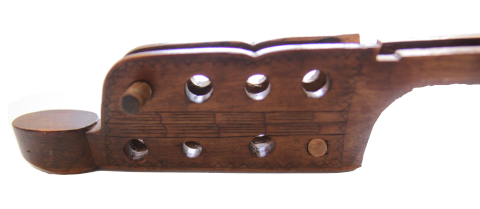
Among the preserved Swedish fiddles with sympathetic strings, the vast majority are so called double-deckers. Double-deckers are a type of fiddle where the pegs in the pegbox are ordered in two rows with the pegs for the playing strings in the upper row and pegs for typically eight sympathetic strings in the lower row. I started my research about Swedish fiddles with sympathetic strings in 2008 while building a copy of a double-decker found at a museum in Växjö so I knew about the instrument type. However I had assumed that double-deckers was a quite odd phenomenon among a larger number of instruments with four sympathetic strings in a single row pegbox. Pretty fast I realized that the picture was quite the opposite and instruments discovered in the decade since I started has confirmed that conclusion.
Nobody knows exactly how many violins with sympathetic strings that have been built in Sweden throughout the centuries and thus it is impossible to tell if the preserved instruments is a large or small part of the total number. We also don’t know if double-deckers are preserved in a larger extent than other types but out of the current known historical fiddles with sympathetic strings, 23 of 27 are double-deckers. During the last years several double-deckers with four sympathetic strings has showed up and that means that references in literature to fiddles with four sympathetic strings might be both double-deckers or fiddles with a single row pegbox.
In addition to double-deckers and other Swedish fiddles with sympathetic strings there are some instruments of other types that might provide us with additional information about the main subject of the page. All instruments on the page has been given some kind of name, most of them by me, and the main purpose is to make identification easier (rather than ID-numbers in the collections of museums etc). It would probably have been possible to find better names but I will stick to the ones I started with. You will also find some fiddles with sympathetic strings constructed in modern times and I provide some simple guides what to keep in mind when building fiddles with sympathetic strings.
I warmly welcome more information about the subject and I’m also glad to publish pictures of new or historical instruments related to Swedish fiddles with sympathetic strings, please email info [at] resoneramera [dot] se .
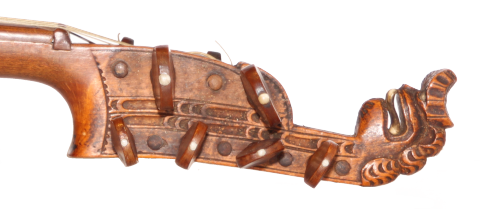
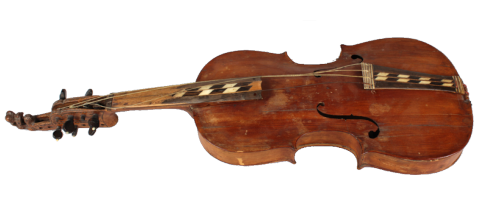
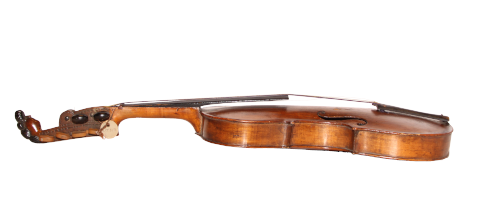
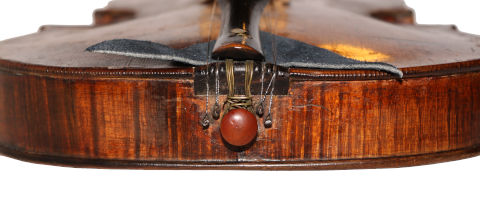
Swedish fiddles with sympathetic strings per type
Swedish fiddles with sympathetic strings per province
The map is a combination of the place where an instrument was found and where it was built. If the latter is known, the instrument will be counted twice. This was the best method to give a complete picture of the geographical spread of Swedish fiddles with sympathetic strings. Please note that the high number of instruments in Stockholm is due to the fact that it is the place of the Museum of performing arts and other museums.